Origination:
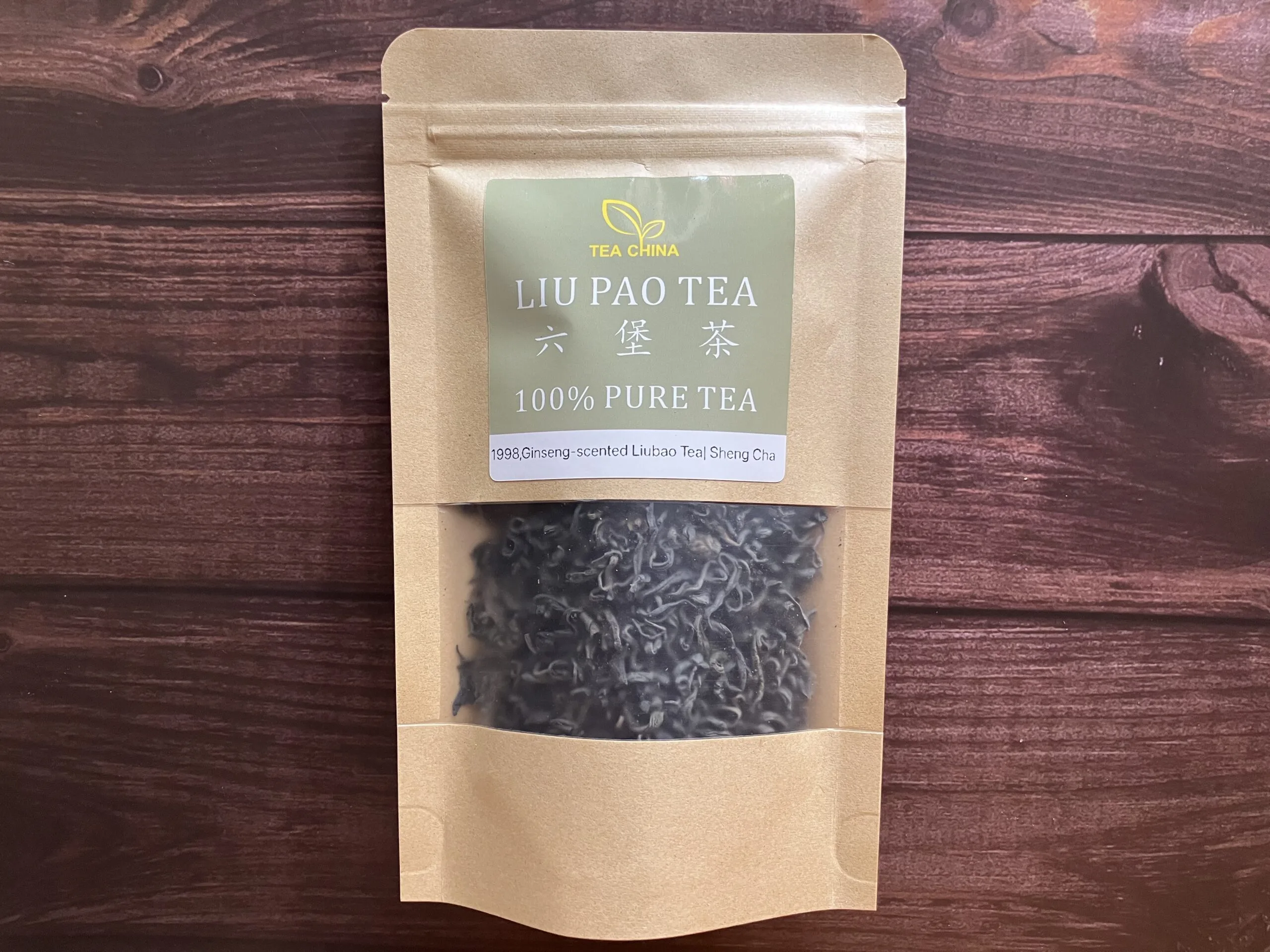
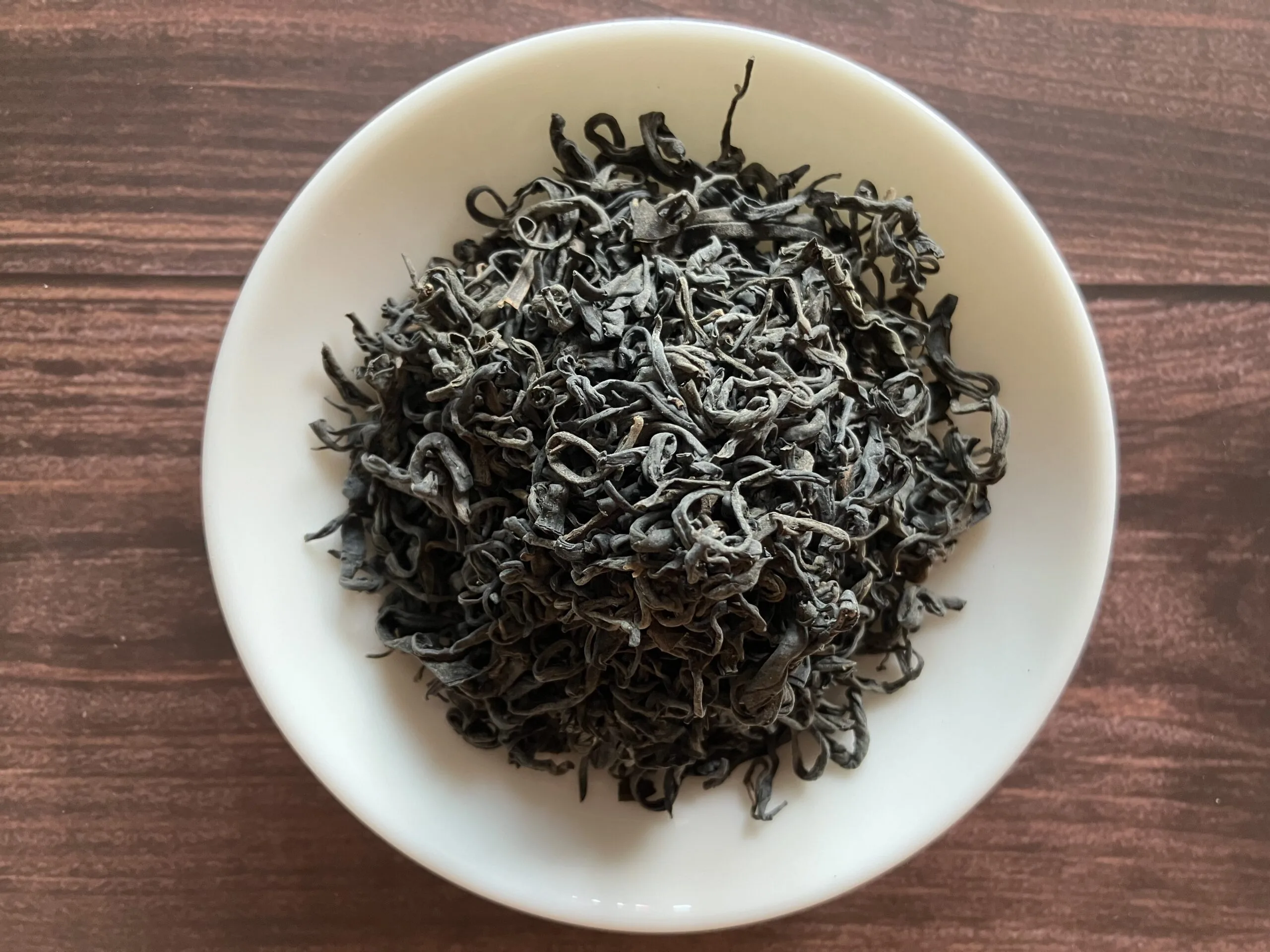
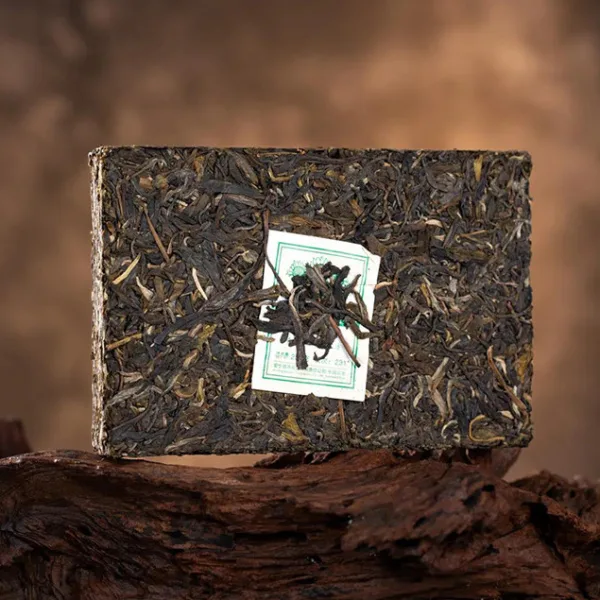
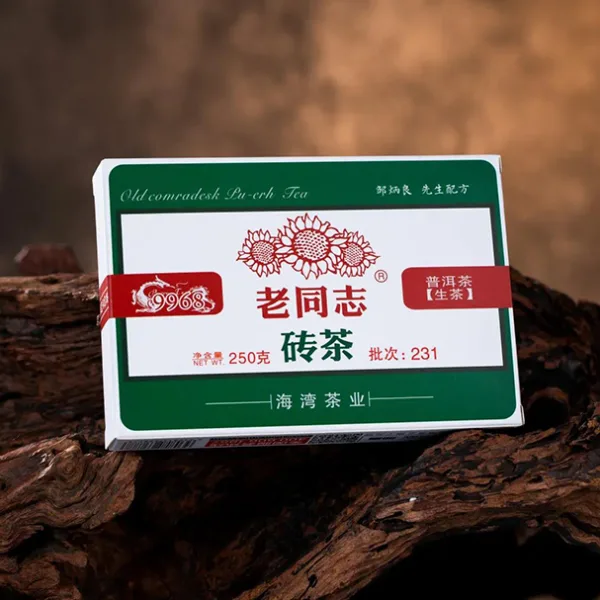
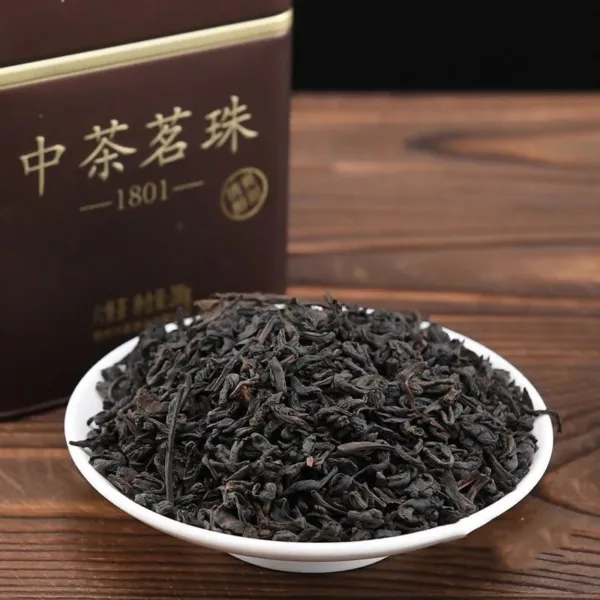
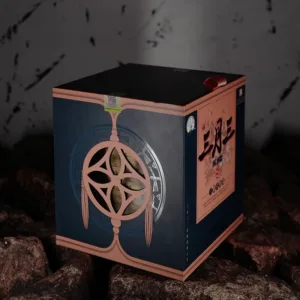
This 1998 Liubao raw tea was purchased from a local tea merchant in Wuzhou, Guangxi. It started aging in 1998 and has been almost 30 years since then. Due to reasons such as preservation and daily consumption, Lao Liubao tea is very rare, and old tea
that can be preserved to this day is extremely rare.
Brewing Recommendations
- Tea Amount & Vessel: Use 5-7g of tea (break small pieces from the brick, avoid crushing) with a Yixing clay teapot or Gaiwan (100-150ml) — these vessels retain heat well to draw out the areca nut and aged notes.
- Water & Temperature: Use filtered or spring water; bring to full boil (100℃) (high temperature unlocks the deep, mellow flavor of aged wild Liubao without bitterness).
- Steeping Time:
- First 2 washes: 5-10s (awaken the tea, discard water).
- 1st-3rd infusions: 15-20s (light to medium strength, highlight areca nut sweetness).
- 4th-8th infusions: Extend by 5-10s each time (flavor remains rich; earthy and sweet layers deepen).
- It can be steeped 8-12 times — wild tea leaves hold flavor well due to their dense texture.
Storage Recommendations
- Environment Control: Keep in a cool, dry, well-ventilated space (15-25℃, 50%-70% humidity) — avoid direct sunlight, dampness (to prevent mold) and strong odors (tea absorbs smells easily, which would ruin the areca nut aroma).
- Packaging Choice: Wrap the brick in unbleached cotton paper or porous kraft paper (preserves breathability for slow aging); avoid airtight plastic bags (traps moisture). For long-term storage, place in a ceramic jar or wooden tea caddy with
a loose-fitting lid.
- Handling Note: Avoid frequent touching (oils from hands may affect the tea surface) and sudden temperature/humidity changes — stable conditions help maintain its 20-year-aged flavor integrity.