Climate Advantages
The spring climate in Anxi, Fujian, China, 2025, featured abundant sunshine and minimal rainfall, facilitating the accumulation of nutrients in tea leaves. This resulted in richer aromas and more pronounced lingering nuances.Nestled in high-altitude mountains, the tea gardens are shrouded in clouds and mist, with significant temperature differences between day and night. These conditions enhance the synthesis of amino acids and aromatic compounds, making the orchid fragrance particularly prominent.
Technological Innovations
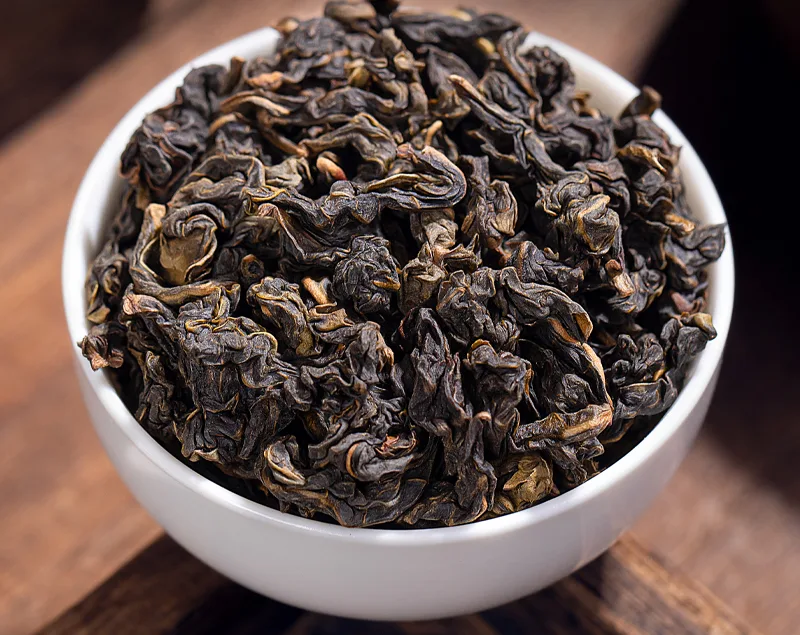
Some tea enterprises have adopted a “three-stage precision roasting method”:
Initial stage (80℃): Gentle heat awakens the tea’s essence, releasing woody aromas.
Middle stage (110℃): Higher temperature stimulates caramelized sweetness.
Final stage (90℃): Low-temperature roasting locks in the orchid fragrance.
This precise temperature control yields the 2025 new tea with more complex and long-lasting aromas.
Liquor Color & Taste Profile
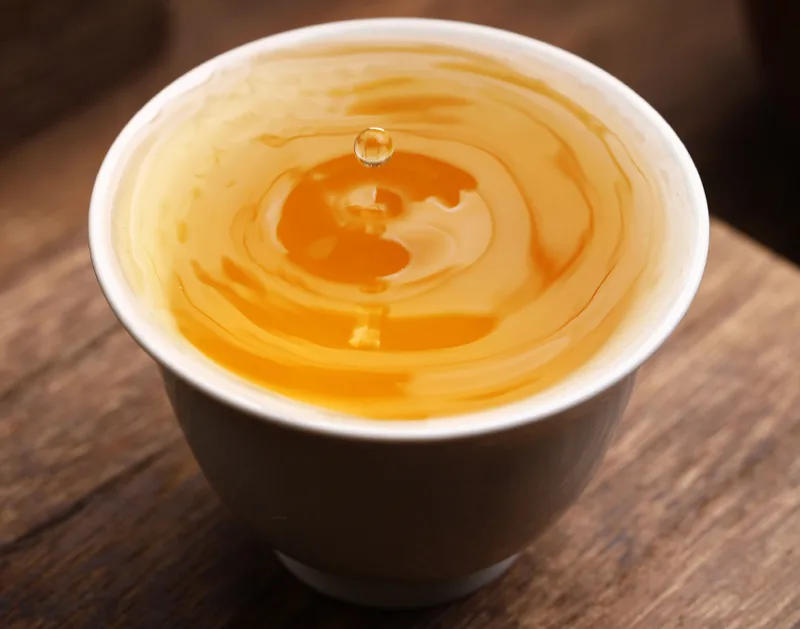
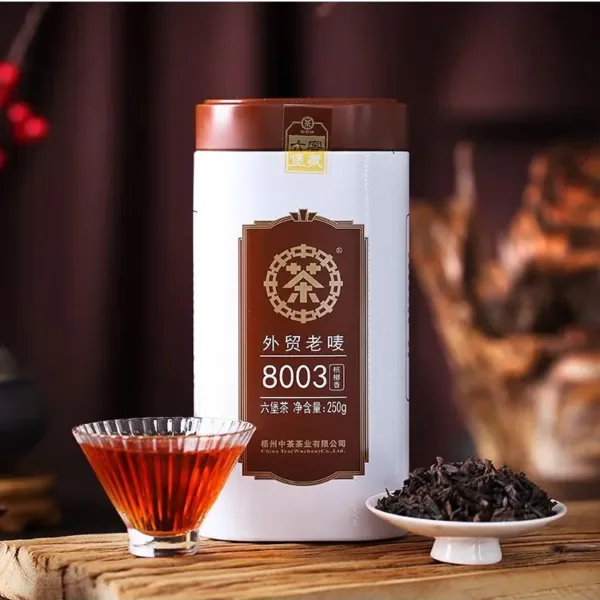
Color Evolution: Transitions from golden yellow to amber and finally to orange as infusions progress, remaining crystal clear like amber throughout.
Taste Experience: Rich and full-bodied on the palate, with mild bitterness that dissipates instantly. A surge of sweetness spreads from the root of the tongue after 3 seconds, accompanied by a deep, enduring aftertaste.
Texture: The liquor glides smoothly like silk, with a distinct “velvety richness.” Swallowing leaves a refreshing coolness in the throat—a hallmark of high-altitude tea.
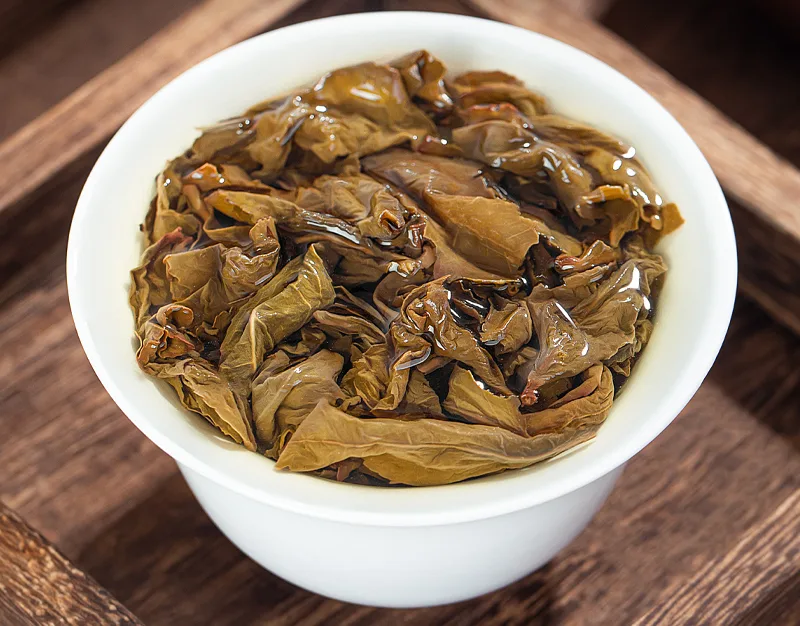
Infusion Durability: Maintains flavor for 7–10 infusions, with lingering aromas even after the 5th steep, earning it the reputation of “seven infusions, still fragrant”.